
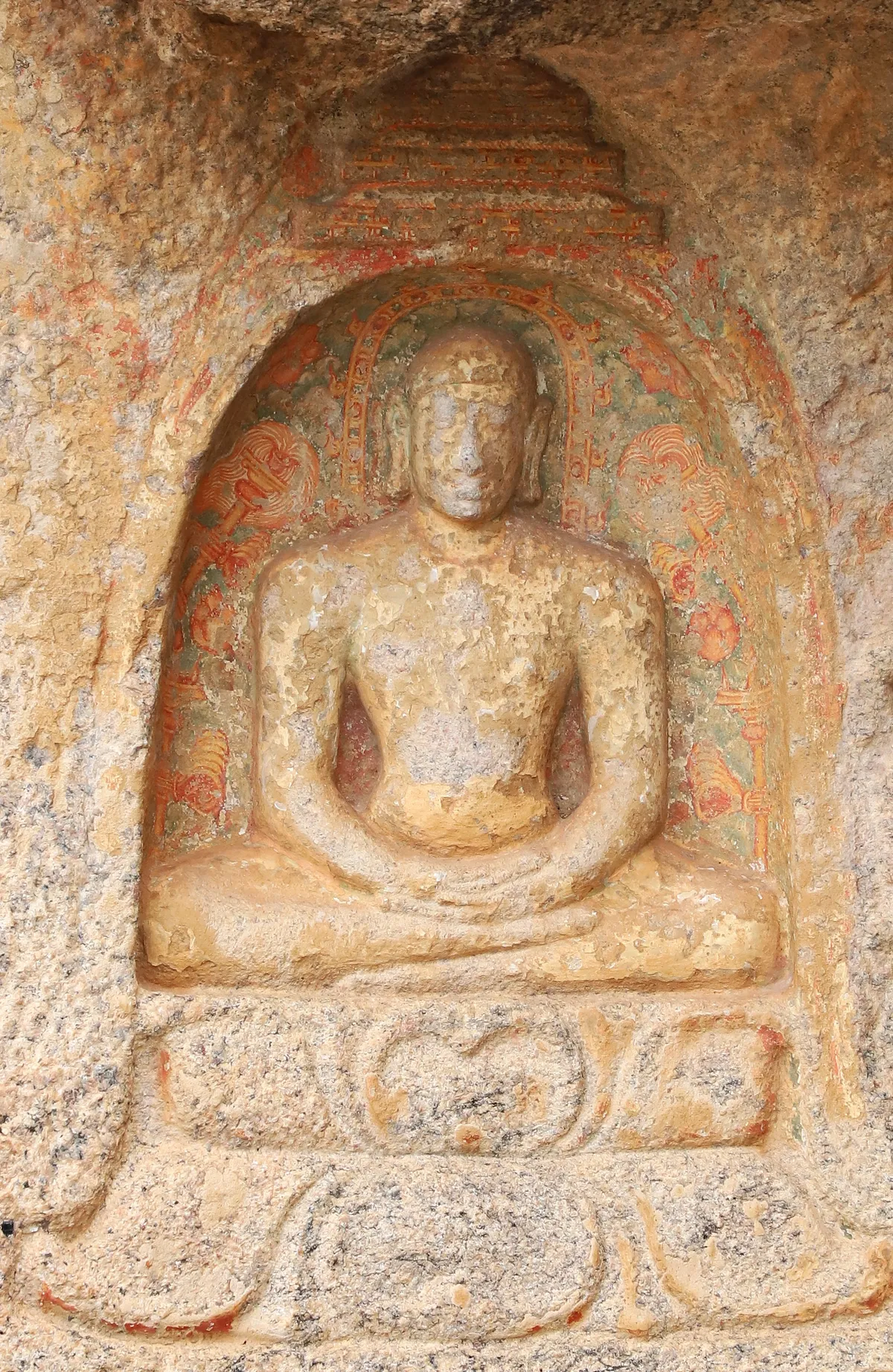
When an old building begins to fail, the instinct of our era is often speed. Some rush to rebuild, others rush to demolish and a few photograph the crumbling eaves for fleeting remembrance. Yet the quietest act of preservation is neither swift reconstruction nor passive regret. It is the deliberate discipline of measurement.
To measure a building is to spend days in its company with linen tape and plumb bob. It requires running a chalked line against weathered lime plaster and noticing how granite footings have settled over three centuries. A drawing board under a temple mandapa forces patience. You cannot draft an elevation while in a hurry. You must first understand how water drains off the stone cornice during the monsoon and how the carpenter joined the rafters without iron nails.
Across the Kongu region and around Madurai, one meets structures that stand outside state registers. They are village shrines with carved wooden bracket figures, modest row houses with terracotta ridge tiles and roadside resting halls whose stone beams carry Tamil inscriptions few now read. Many will not survive another generation of road widening or concrete replacement.
If a building is repaired without measured documentation, its original logic is often erased by modern plaster and glossy paint. If it is lost entirely without a record, it vanishes from human knowledge. A complete set of measured drawings keeps the geometry, the joinery and the spatial craft for those who come later. Even if the stone eventually falls, the knowledge can remain, if a record was made and kept.
HAF's public records today are mostly photographic; a broader and more systematic approach to architectural documentation is being developed. This journal, which we call Muse, is where HAF will write out the ideas behind its work: why a building should be recorded before it is restored, what traditional materials and methods teach, and what it means to keep a record for a long time. We invite you to read, and to write to us.